
How Can You Prevent It?
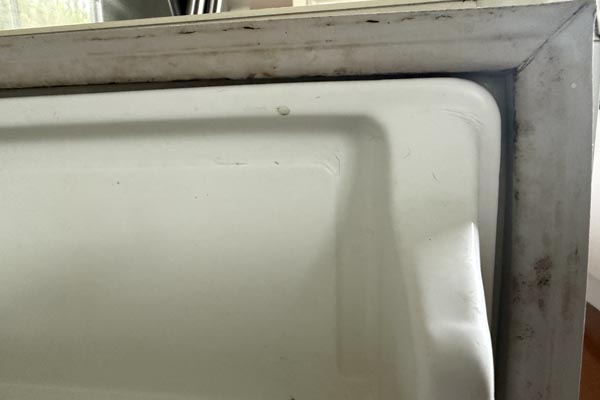
Mould on your fridge door seals isn’t just unpleasant to look at—it can contaminate food, cause foul odors, and lead to failed inspections. But how does mould end up there in the first place?
The main culprit is the interaction between warm and cold air. Every time you open the fridge door, warm air mixes with the cold inside, and the moisture from the warm air condenses on the fridge seals. Over time, this moisture creates the perfect environment for mould growth.
Once you understand the cause, preventing mould becomes straightforward. Simply wipe down the seals whenever you notice moisture. Regularly brush off food particles and clean the seals with mild soap and water twice a year to keep mould from forming in the first place.
What to Do If Your Fridge Seal Has Mould Now
If your fridge seal already has mould, don’t worry—we’ve got four easy methods for removing it, depending on what supplies you have available.
Note: Some fridges feature a heating coil that activates when you open the door, helping reduce condensation. However, this feature may not work if your fridge’s energy-saving mode is on.
4 Methods to Remove Mould from Your Fridge Seal
Method 1: PVC Cleaner
A professional, fragrance-free PVC cleaner is a highly effective option for removing mould from fridge seals. These cleaners often come in spray form, so just follow the instructions on the label for optimal results.
Method 2: Baking Soda Paste
Baking soda works wonders for cleaning mould. To make a paste, mix baking soda, lemon juice, and water. Let it sit for five minutes, then place a towel on the floor to catch any falling paste.
Apply the paste to the mouldy seal using a soft cloth. After about two minutes, wipe away the mould with a cloth or, for stubborn spots, use an old toothbrush. The reaction will cause the paste to form small balls that will fall onto the towel as it dries.
Method 3: Vinegar Solution
A simple vinegar solution is also effective for tackling mould. Mix one part vinegar with two to three parts water. Spray the solution onto the gasket or apply it with a damp cloth or sponge. Let it sit for 30 seconds, then wipe the area clean with a dry cloth or paper towel. If needed, repeat the process. Avoid using sharp tools—an old toothbrush is perfect for scrubbing away stubborn spots.
Method 4: Weak Bleach Solution
If you don’t have the ingredients for the first three methods, a very weak bleach solution can work in a pinch. Mix one part bleach with at least seven parts water (always follow the safety instructions on the bleach packaging). Apply it to the seal with a soft cloth or sponge, wait for 30 seconds, and then wipe it clean. Dry it with a cloth or paper towel and repeat if necessary.
Important: Always use an old toothbrush to gently scrub any remaining mould. Never use a knife or sharp object, as this can damage the seal.
Tips & Warnings
- Never put your fridge seals in the dishwasher.
- Avoid using strong bleach or ammonia on the seals, as they can damage the material.
- Never mix bleach and vinegar. This combination creates toxic gases that are dangerous to breathe.
If the mould is extensive and these cleaning methods don’t work, it may be time to consider replacing the seal altogether. Use our handy tool to easily find the right replacement gasket, or reach out to our team for assistance.
By cleaning and maintaining your fridge seals regularly, you can prevent mould build-up and keep your fridge running smoothly.