Tips for Installing and Using Your New Fridge or Freezer
DO Plan and Manage Your Installation
Proper planning is essential for a smooth installation process. From clearing entry routes to protecting floors and furniture, it’s worth taking time to prepare. Make sure you have the necessary staff and equipment on hand. We’ve even provided a handy checklist to help guide you through the fridge or freezer installation process.
DO Ensure Adequate Ventilation
A fridge needs proper ventilation around it to efficiently expel warm air. Without enough space, the appliance will struggle to cool, leading to higher energy consumption and increased wear on internal components. Ensure there’s enough room around your appliance for optimal airflow.
DO Remember to Level Your Appliance
Your fridge or freezer should be level to function correctly. If your appliance has a front-facing door, it should be slightly tilted back to prevent it from accidentally swinging open. Some models can be leveled by hand, while others may need a spanner or other tool. Always refer to the user manual for specific leveling instructions.
DO Invest in an Appliance Thermometer
If you’re storing food for public consumption, keeping the fridge temperature below the “danger zone” is a must. Although many commercial fridges and freezers have built-in temperature displays, it’s always a good idea to have a backup appliance thermometer. This can help you spot any cold or warm spots that might otherwise go unnoticed.
DO Defrost When Necessary
Even frost-free freezers need occasional defrosting. If you notice significant ice build-up, it’s time to defrost. Try to schedule this during a quieter time (like when stock is low or there’s extra freezer space), as regular defrosting helps maintain efficiency and prolongs the appliance’s lifespan.
DO Set Up a Cleaning Schedule
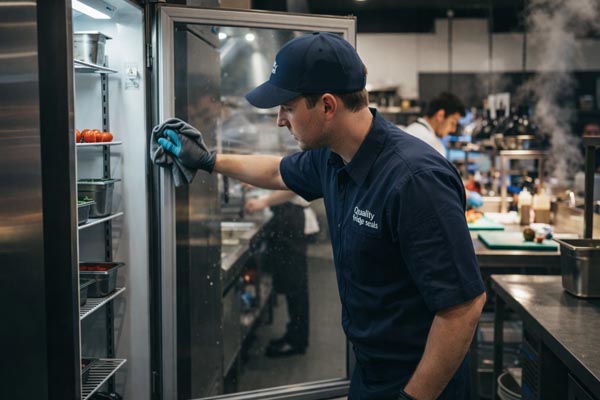
A new fridge or freezer won’t take care of itself! Establish a formal cleaning rota to keep things running smoothly. Be sure to wipe down condenser coils regularly and vacuum them occasionally to prevent dust buildup, ensuring optimal efficiency and reduced energy costs.
DO Store Frozen Food in Airtight Packaging
Freezer burn is a common issue that affects both the taste and texture of food. To avoid this, always store frozen goods in airtight containers. Plastic storage boxes work well, or you can tightly wrap items in food-safe cling film, making sure to squeeze out all the air.
DO Use a Simple Labeling System
Use large, clear labels to mark your stored items. Include both the use-by date and the date the food was first opened. Combining this system with a strict “First In, First Out” (FIFO) policy helps you manage stock more effectively and ensures food safety.
Things to Avoid When Ordering, Installing, and Using Your New Appliance
DON’T Be Distracted by Fancy Features
When selecting a commercial fridge or freezer, it’s easy to be drawn to the latest tech features. While Wi-Fi connectivity or internal cameras might seem cool, prioritize appliances that are well-built, energy-efficient, and suited to your specific needs. Durable, quality machines with accurate thermostats and clear temperature displays will give you the best long-term value.
DON’T Store Your Appliance Outdoors
Installing your fridge or freezer in an unregulated space like an outbuilding can lead to problems. These appliances work best in environments where the ambient temperature is stable. If placed in an area that fluctuates in temperature, the appliance will struggle to maintain its internal temperature, resulting in higher running costs and more wear and tear.
DON’T Turn It On Immediately
After transport, the oil in the compressor may be shaken up, especially if the fridge was laid on its side. Turning it on right away can damage the compressor. Always allow the fridge to stand for 1-4 hours (check the user manual for exact instructions) to allow the oil to settle before powering it up.
DON’T Use Harsh Chemicals or Sharp Objects
Whether you’re cleaning or defrosting, avoid using harsh chemicals or sharp tools that could damage the appliance. Mild detergent and warm water usually suffice for cleaning, and an old toothbrush can help with stubborn stains. When defrosting, steer clear of knives or scissors—these can tear or puncture the seals.
DON’T Store Hot Food in the Appliance
Always cool hot food to room temperature before putting it in your fridge or freezer. Hot food introduces excess moisture, making the appliance work harder and increasing the risk of ice buildup and mold growth.
DON’T Overfill Your Fridge or Freezer
Allow air to circulate freely inside your fridge or freezer to maintain an even temperature. Overfilling the appliance blocks airflow and can cause uneven cooling, hot and cold spots, and even damage to internal components. Leave gaps between stored items and ensure there’s enough space around the edges.
DON’T Forget About Your Seals!
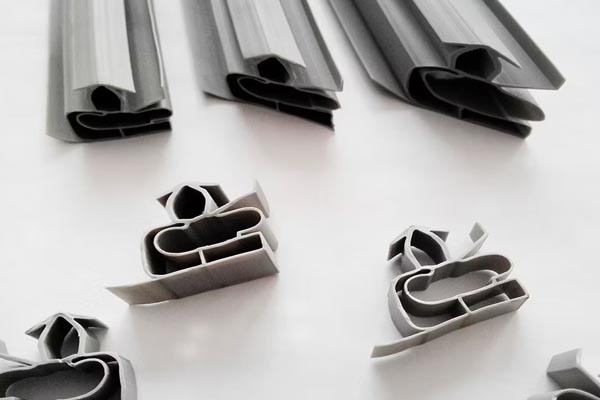
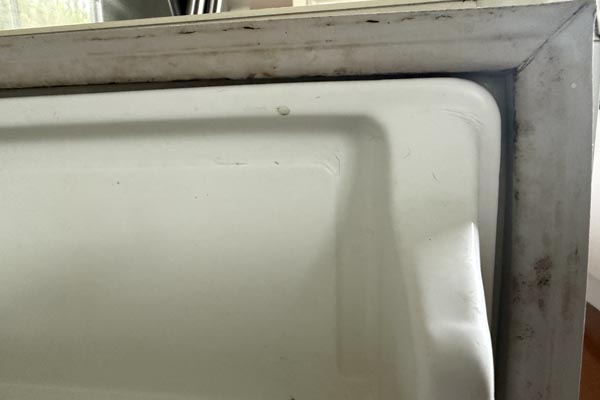
Fridge and freezer seals (or gaskets) are essential for maintaining an efficient appliance. They create a tight barrier between the cold air inside and the warm air outside. Be sure to include your seals in regular cleaning and maintenance schedules, and replace them as soon as they become worn or damaged. Keep a record of your appliance’s make and model number to help you quickly find the right replacement seal when needed. Check our service page for more details.
By following these guidelines, you’ll help ensure your fridge or freezer runs efficiently, saving energy and extending its lifespan, all while keeping your food in optimal condition.