What Temperature Should Your Fridge Be Set At?
According to the Food Standards Agency (FSA), the ideal temperature for storing fresh food in your fridge should be 5°C or below. This range keeps most perishable foods safe while preventing them from freezing, which typically occurs below 0°C. So, in practical terms, your fridge should maintain a temperature between 0°C and 5°C.
Should You Aim for the Higher or Lower End of the Range?
Most experts recommend setting your fridge between 1°C and 4°C. If your fridge is set too close to 0°C, you risk freezing some items, especially if the temperature gauge is slightly inaccurate. Additionally, running your fridge at such a low temperature can consume more energy.
On the other hand, if the fridge is too warm, bacteria can grow more quickly. Since bacteria multiply exponentially as temperatures rise, even small changes can significantly affect the shelf life of your food.
For high-risk foods like meat, dairy, and fish, it’s usually safer to keep your fridge closer to the lower end of the range to minimize the risk of bacterial growth. However, if you have a single fridge and use it for quick-turnover items, setting it to 5°C can save you energy while still keeping food at a safe temperature.
For those who think in Fahrenheit, 5°C is 41°F, which aligns closely with the U.S. Food and Drug Administration’s (FDA) recommendation of keeping your fridge at or below 40°F.
Special Considerations: What Temperature to Set for Non-Food Items
Alcohol Storage
Most alcoholic beverages don’t require refrigeration below 6°C, but if you’re using your fridge for alcohol storage, there are a few guidelines. For white wine, take it out of the fridge 20 minutes before serving to reach the ideal temperature. Red wine, on the other hand, should be chilled for 20 minutes before serving. Beer, champagne, sweet liqueurs, and even vermouth (despite its high alcohol content) should all be refrigerated.
Medicine and Medical Products
Certain medications and medical products, such as insulin and some antibiotics, need to be stored in a fridge. The general guideline for these items is to store them between 2°C and 8°C. Some blood products should be kept between 2°C and 6°C for safety. Always check the storage instructions on specific medical products to ensure they are kept at the correct temperature.
Troubleshooting: Why Is My Fridge Running Warm?
If you notice that your fridge isn’t keeping food cool enough, there are several potential causes to check:
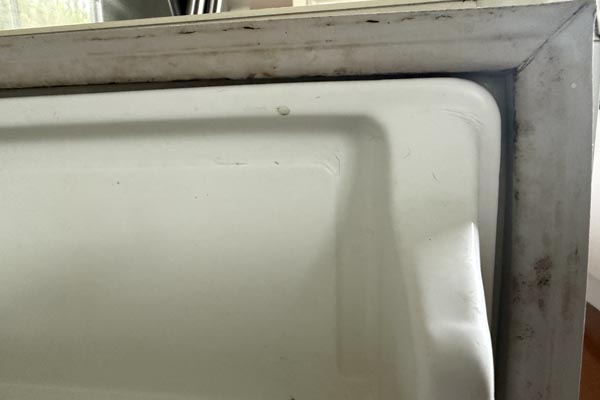
- Damaged or Dirty Seals: A common culprit is a compromised door seal, which can let warm air in, causing the fridge to struggle to maintain the proper temperature. Regularly cleaning your seals or replacing them when needed can solve this issue. We have guides on how to clean and replace fridge seals if you’re unsure.
- Faulty Temperature Gauge: Sometimes, the issue may not be that your fridge is running warm but that the temperature gauge is inaccurate. It’s worth investing in a standalone thermometer to get a more accurate reading. The FSA recommends using one to verify your fridge’s temperature.
If you discover a worn or broken seal, it’s easy to find and replace the part you need. Visit our homepage for a straightforward guide on sourcing the right seal for your fridge.
By ensuring your fridge is at the correct temperature and properly maintained, you can extend the shelf life of your food and reduce the risk of spoilage or contamination.